


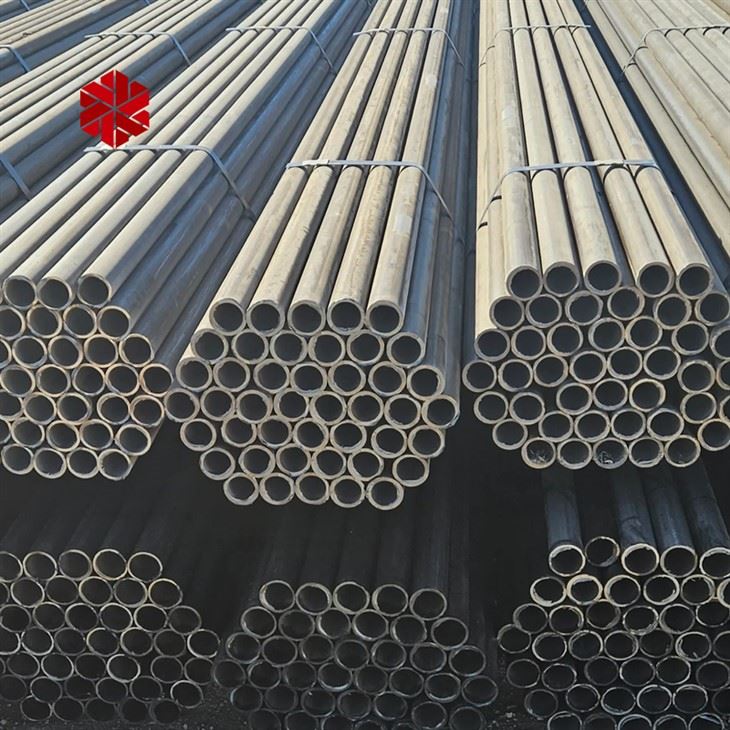
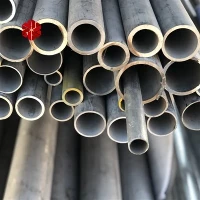
Seamless Boiler Tube (ASTM A192 / A106-B, EN 10216-2)
Seamless boiler and heat exchanger tube, ASTM A192 / A179 / A106 Gr.B, EN 10216-2 P235GH, GB 5310 20G. OD 12.7-168.3 mm, wall 1.5-16 mm, normalized or stress relieved in our own furnace, hydro and eddy current tested, 3.1 MTC per heat, plain or beveled ends.
Boiler tube and boiler pipe get used as if they mean the same thing, and most of the confusion I deal with starts right there. A boiler tube is bought by outside diameter and wall, then bent into coils or headers, and it has to carry heat through that wall for twenty years without scaling through. A line pipe is bought by nominal bore and has to carry fluid down a right of way. We make both on the same piercing line. The tube side simply gets a tighter wall window, an eddy current test on every metre, and a heat treatment that is charted per batch instead of per shift.
Last September a fabricator in Alexandria sent me a drawing for an economiser coil: 38.1 mm OD, 3.2 mm wall, A192, 11 m random lengths, bends at 1.5D. His previous batch wrinkled on the inside of the third bend, and he had already cut and scrapped forty tubes before he called us. The grade was not the problem. That batch ran 3.2 plus 0.35 on wall, which sits inside the A192 tolerance and is still too stiff for his bending tools. We rolled his replacement at 3.2 nominal and held the plus side under 0.15, put the heat number on every bundle tag, and he bent the whole order without one wrinkle. He sends the bending radius with the enquiry now. It costs him nothing and it saves us both a week of guessing.
Specifications
| Item | Range |
|---|---|
| Standards | ASTM A192, A179, A106 Gr.B; EN 10216-2; GB 5310 |
| Grades | A192, A179, A106-B, P235GH, 20G; 15Mo3 and 16Mo3 on request |
| Outside diameter | 12.7 – 168.3 mm (1/2" – 6") |
| Wall thickness | 1.5 – 16 mm |
| Lengths | 5.8 / 6 / 11.8 / 12 m random, cut from 3 m |
| Wall tolerance | −0 / +12.5% standard, +7.5% or tighter by agreement |
| OD tolerance | ±0.5% or ±0.3 mm, whichever is greater |
| Heat treatment | Normalized or stress relieved, full body, furnace chart per batch |
| Testing | Hydrostatic, eddy current, flattening, flaring, hardness, tensile |
| Hardness | 72 HRB typical, 77 HRB max for A192 |
| Ends | Plain cut, 30° beveled, or plastic capped |
| Surface | Black bare, oiled, or varnished for sea freight |
| Documents | EN 10204 3.1 MTC per heat, 3.2 and third party inspection on request |
The wall number on the certificate is not the wall in your bender
This is the part I wish more buyers asked about before they compare prices. Two mills can both ship A192 at 3.2 mm and both be correct on paper, one at 3.20 flat and one riding the top of the tolerance at 3.45. On a straight header run nobody notices. On a 1.5D bend, the thicker tube needs more force, springs back further, and pushes the wrinkle to the intrados where the dye penetrant finds it later. We keep a running wall log off the mill and will quote a controlled window when a drawing calls for tight bends. If your bender is already set up and you have scrap on the floor, send me the bend radius and the wall you actually measured. That conversation is more useful than another price sheet.
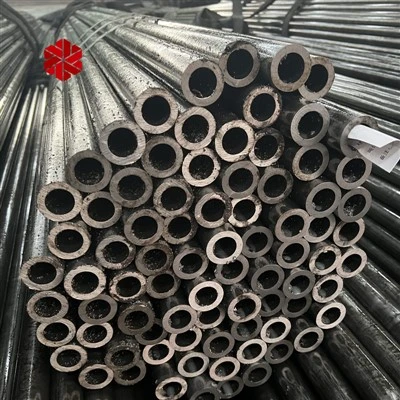
Heat treatment, and why cheap tube fails three years in
Seamless tube comes off the mill with residual stress from piercing and sizing. Normalizing or stress relieving is what turns that into a tube that will hold its shape through a few thousand thermal cycles. It is also the easiest step to shorten when a mill is chasing a delivery date, and you cannot see the difference in a warehouse. The only way to know is the furnace chart, which is why ours is filed per batch and sent with the MTC when a customer asks. A sugar mill in Java bought 76.1 x 4.5 A106-B from us for juice heater bundles in 2021; their maintenance engineer still emails me the chart number for each shutdown because his insurer wants it on file. That is a small thing that took us ten minutes to set up and has kept the account for five years.
What we do not make, so you do not waste an enquiry
We do not roll T91, T22 or any of the creep-strength alloys, and we do not go above 168.3 mm on this line. If your superheater needs T91 at 51 mm, I will tell you on the first email instead of three weeks later, because a promise I cannot keep costs both of us a season. What we do well is carbon and low alloy tube in the small and medium sizes, in quantities from one bundle to a full 20 ft container, with the paperwork straight.
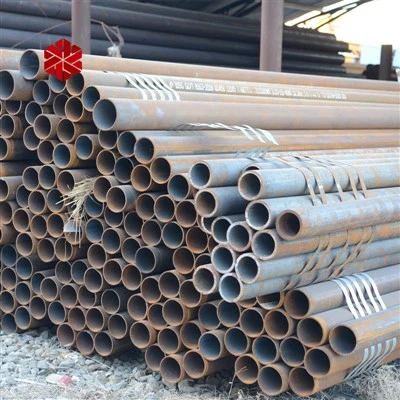
Packing for a long sea route
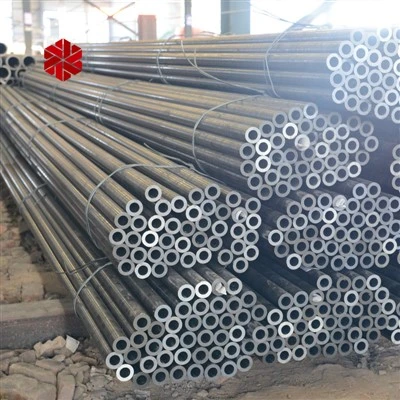
Tubes go into hexagonal bundles, strapped with steel banding and, for humid routes, wrapped in VCI film with the ends capped. A bundle of 38.1 x 3.2 at 11 m weighs around 1.9 tonnes, which is a size a small yard can lift without calling a crane. We stencil size, wall, heat number and piece count on both ends. If a container is shared between two sizes we band them separately and put the heavier bundle at the door, because I have watched enough unloading videos to know that the crew takes whatever is nearest and sorts it out later.
Request a Quote
Send the OD, wall, grade, length and what the tube is going into, a boiler, a heat exchanger, a superheater, an economiser. That last detail decides the test schedule and often the heat treatment. A sales engineer answers within 12 hours with a price, a rolling window and the wall window we can hold. If the standard you wrote down allows a wider tolerance than your bending shop can live with, you will hear that from me before you place the order.


Send Inquiry
