


ASTM Q235 Equal Angle Bar
Angle steel (commonly known as angle iron) is a long strip of steel with a right angle cross-section, composed of two perpendicular sides, mainly divided into two categories: Equilateral angle steel: The width on both sides is equal, and the specification is expressed as "edge width x edge width x edge thickness" (such as ∟ 30 x 30 x 3). Unequal edge angle steel: The width on both sides is not equal, and the specifications need to indicate the length, width, and thickness of the long and short sides (such as ∟ 50 × 32 × 4). Unequal angle steel can be further divided into two types: unequal sided equal thickness and unequal sided unequal thickness. In this article, we mainly introduce equilateral angle steel.
Product Description

ASTM Q235 Equal Angle Bar
Angle steel, a fundamental structural metal product, is predominantly manufactured from carbon steel or stainless steel alloys. Characterized by its distinctive L-shaped cross-section, this versatile material finds extensive applications across multiple industries, including structural support systems, architectural frameworks, and mechanical engineering components. The ongoing expansion of construction, infrastructure, and manufacturing sectors continues to drive significant demand for angle steel, positioning it as a critical material with substantial growth potential.
|
Products |
Angle steel bar |
|
Standard |
GB, JIS, EN, ASTM standard, Marine standards of nine countries |
|
Length |
6-12m or as your requirement |
|
Thickness |
3~24mm |
|
Dimensions |
20*20*3mm-200*200*25mm |
|
Type |
Equal angle |
|
Surface |
Galvanized, paint |
|
Certificated |
BV |
|
Packing details |
Standard export packing or as per your requirement |
|
Technique |
Hot rolled angle steel |
|
Supply ability |
10000 Metric Ton/Metric Tons per Month |
|
MOQ |
25 Metric Ton/Metric Tons |
|
Application |
Mechanical & manufacturing, Steel structure, Shipbuilding, Bridge |

production process
ASTM Q235 equal angle bar is a common metal material that has a wide range of applications in fields such as construction, machinery, and bridges. The production process mainly includes steps such as melting, casting, rolling, and cutting.

The production of angle steel begins with the melting of raw materials, by placing alloy raw materials and other additives into a melting furnace and mixing them through high-temperature melting. After smelting and purification, the molten metal is poured into the mold for precise casting. This step ensures that the shape and size of the angle steel meet the requirements.
The next step is the rolling process of angle steel, which involves feeding the cast billet into a rolling mill and gradually pressing it into the desired angle steel shape through multiple passes of rolling. By rolling, the density and strength of angle steel can be increased, making it more sturdy and durable.


Finally, there is the cutting process for angle steel, which involves cutting the rolled angle steel billet to a specific length to meet production requirements. The cutting process requires high precision to ensure that the length and size of the angle steel fully meet the design requirements.
Comparison of angle steel with other profile steels
| Comparison Item | Angle Steel | Other Structural Steel Profiles |
|---|---|---|
| Cross-Section | L-shaped profile | Circular (pipes), rectangular (tubes), I/H beams |
| Structural Strength | Higher strength-to-weight ratio due to optimized L-shape design | Varies by profile type; generally requires more material for equivalent strength |
| Machinability | - Easier to cut and weld - Simplifies drilling operations - More forgiving alignment during assembly |
- Often requires specialized tooling - More complex fabrication processes - Tight tolerances needed |
| Typical Applications | - Structural bracing - Frame construction - Support brackets |
- Load-bearing columns (I-beams) - Fluid transport (pipes) - Enclosed structures (square tubes) |
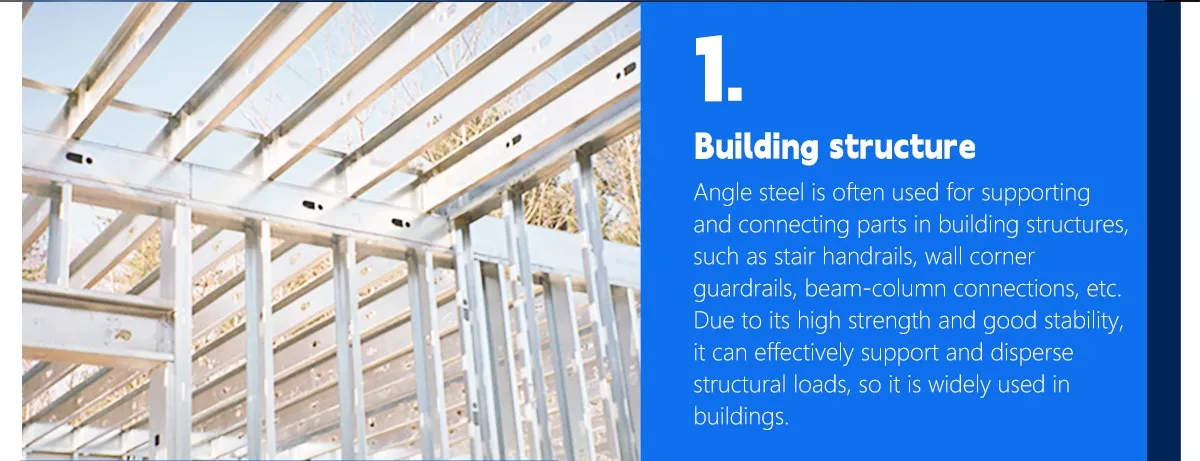
applications


packaging & shipping

For plates weighing under 1 ton, bunding with 2-4 steel straps is standard for secure transport. Heavier plates (over 1 ton) are shipped individually without bundling to ensure safe handling.
-
Container Loading Guidelines
20ft Container:
Max Width: 2,300mm
Max Length: 6,000mm
40ft Container:
Max Width: 2,300mm
Max Length: 12,000mm
-
Bulk Vessel Shipping
For oversized or heavyweight plates that exceed container limits, bulk cargo shipping is the optimal solution. Benefits include:
✔ Lower freight costs compared to container shipping
✔ No size restrictions, accommodating large and heavy plates
✔ Flexible loading options for non-standard dimensions
This ensures efficient and cost-effective logistics for all plate shipments, whether by container or bulk vessel.
Our Certificate

Why Choose Us?
Tangshan Zhenxiang Group was founded in 2002. The company's main products are galvanized coil, corrugated roofing sheet, color coated coil sheet and soon. The products are mainly used in construction, home appliances, automobiles, transportation, and other fields. So far, the company's supporting equipment and production technology are the best in the country.NanXiang products are based on domestic and exported to Southeast Asia, South Africa, South AmericaNorth America, the Middle East, the European Union, and more than 30 countries and regions. Product quality, reputation have been unanimously recognized by domestic and foreign customers.

customer feedback
The cooperative company's Evaluation

Dalian AW Grating Ltd

Shanghai Boiler Accessories Co., Ltd.

Beijing Renzhi Shengxing Trade Co., Ltd.
Hot Tags: astm q235 equal angle bar, China astm q235 equal angle bar manufacturers, suppliers, factory, L Profile Mild Steel Angle Bar, Equal Angle Bar, Angle Bar, Unequal Angle Bar, Angle Bar Mild Steel, Metal Frame Steel Equal Angle Bar


Send Inquiry
